

Can You Get Scammed Through Paypal Goods And Services
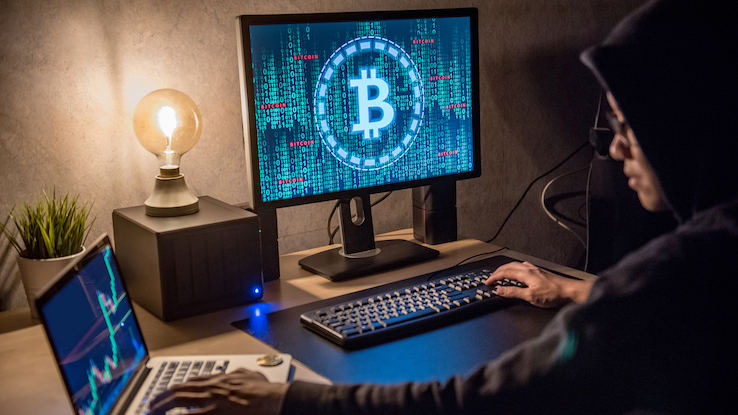
If you lot're new to investing in crypto, it's tempting to assume that safely investing in cryptocurrency is a reasonably elementary chore. After all, the crypto mural was developed with privacy, anonymity and security in mind. Despite this, though, cryptocurrency trading isn't immune to scamming or hacking, and it'due south vital to take steps to protect yourself from these activities.
In 2021, crypto-related crime skyrocketed, reaching an all-time high of $fourteen billion over the grade of the year. That'south nearly double the $7.eight billion that occurred in 2020. At present, many experts worry that 2022 will exist far worse — and potentially outpace 2021 dramatically. In fact, the North American Securities Administrators Association (NASAA) believes the digital asset and cryptocurrency landscape represent a height investor threat when it comes to potential scams.
If y'all're a cryptocurrency investor, knowing how to spot and avoid crypto scams is essential. Go started by taking a look at cryptocurrency scams and learning some tips y'all can use to avoid falling for them.
Cryptocurrency scams are criminal activities that accept the end goal of acquiring crypto funds from owners nether imitation pretenses. They typically autumn into one of three broad categories.
Beginning, at that place are efforts to larn digital wallet authentication credentials in guild to hack into users' wallets and transfer crypto out of them. There are also attempts to get users to send a scammer cryptocurrency directly. Finally, there are crypto projects that masquerade as legitimate but aren't. These are little more than attempts to either learn money from a target user or inflate the value of an illegitimate money loftier enough that the scammer can cash out while it's on top before it inevitably collapses.
The main reason cryptocurrency scams are ascent is that the landscape is prime number for these illicit activities. At that place's fiddling regulation, and almost crypto transactions are irreversible once they've been completed, so information technology's difficult to go your crypto back once a scammer has taken information technology. Plus, crypto-related activities aren't managed by a typical financial middleman, such as a banking concern or payment processor, so there's much less oversight. In addition, the same coins are used across the globe. Since that makes international transactions simpler, it besides makes cryptocurrency an attractive target for overseas scammers.
Common Cryptocurrency Scams
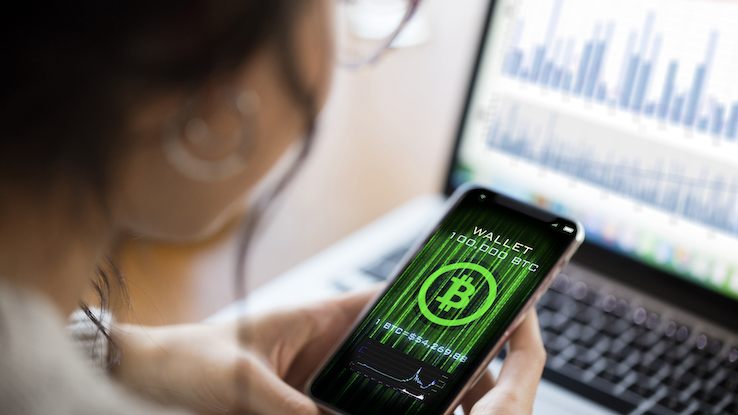
A handful of cryptocurrency scams are popular with scammers. While they all typically fall into one of the three categories above, they each accept unique features that distinguish them.
Pump and Dump
With a pump and dump, scammers transport out a deluge of false data nigh a coin they hold, aiming to increase interest and heave prices through rising purchases. Once the coin reaches a high enough value, the scammer sells its holdings. Meanwhile, users who bought in are typically stuck with crypto that loses value because it wasn't actually equally strong equally the (false) information fabricated it seem.
Carpeting Pulls
Also known as Ponzi schemes, carpeting pulls involve scammers tricking investors into supporting a non-existent or illegitimate project, company, or another potential investment. The scammer takes in the money investors pay towards the project — without any intention of following through on whatsoever promises they initially made. The investors are unknowingly backing something that'll never come to fruition, making the investment a complete loss for them while the scammer makes off with their investments.
Sus scrofa Butchering
A blazon of "romance scam," grunter butchering lures in targets with promises of love, intimacy and riches. Usually, this type of scammer connects with marks on dating apps and starts building their soonhoped-for victims' interest and confidence over time.
Then, the scammer claims they have knowledge almost a potential investment and instructs the target to send money to earn substantial profits in the hereafter. All the same, in that location's no legitimate investment. Instead, the scammers simply make off with the money.
Account Hijacking
Account hijacking involves taking over a legitimate account and using it to push a scam. The 2020 Twitter hack is a prime case of this activity; a scammer took over celebrity accounts to post messages relating to a Bitcoin scam. In some cases, scammers create fake accounts designed to resemble legitimate ones instead.
Faux Exchanges and Apps
Other pop sources of scams are simulated crypto exchanges and apps. In some cases, these are designed to wait like the originals. They trick users into utilizing the scammer's service, which is secretly set up to create opportunities for theft. In similar practices, scammers pretend to offer a new service or rise one. Then, they accuse fees or request individual data during signup — details they tin can employ to steal cryptocurrency from owners.
Phishing
Phishing involves pretending to be a trusted organization or known individual in an effort to acquire personal information from a target. For example, a scammer may create emails masquerading as messages from a legitimate crypto exchange in hopes of securing a person's login credentials.
5 Tips for Spotting Cryptocurrency Scams

Crypto scams are out at that place, and they're often hidden well. Beingness aware of them — and putting the post-obit tips into practice — can help yous avoid falling for these scams.
one. Utilise Multi-Cistron Authentication
Multi-factor hallmark reduces the likelihood that a scammer can gain access to your online account even if they get ahold of your initial login credentials. Multi-factor authentication programs utilise a passcode delivered through a text message to prove your login endeavor is legitimate, so they require more than just your business relationship password. Unless the scammer compromises both parts of the authentication process, they tin't gain entry.
2. Avoid Upfront Investment or Fee Requests
Requests for an upfront investment in a cryptocurrency project or a statement that there's a fee to join a new commutation are signs of potential scams. Virtually legitimate operations don't require greenbacks or crypto upfront.
3. Don't Trust Online Pushes
Even if it involves a trusted online social media account, be wary of any uncharacteristic cryptocurrency-related claims or investment pushes. Scammers often bank on the fact that people react differently if information comes from an account they trust, so they may hack legitimate accounts to achieve their goals.
Private keys function similar to PINs for debit cards or passwords for accounts. Without your private key, you can't gain access to your crypto wallet. Since that's the case, it'south vital to never share private keys with anyone, equally doing so puts your wallet – and whatsoever assets inside – at risk.
v. Never Click on a Link Without Doing Due Diligence
Links are inherently risky online. If yous see whatever URLs – including those that seem to come up from legitimate sources – never click without a fleck of due diligence. Wait at the URL to see if letters or numbers are swapped or altered. If the bulletin appears to come from a platform or site you lot use, skip the link and go directly to the site using your typical approach instead.

Can You Get Scammed Through Paypal Goods And Services,
Source: https://www.askmoney.com/investing/tips-crypto-scams?utm_content=params%3Ao%3D1465803%26ad%3DdirN%26qo%3DserpIndex
Posted by: rileyshater.blogspot.com
0 Response to "Can You Get Scammed Through Paypal Goods And Services"
Post a Comment